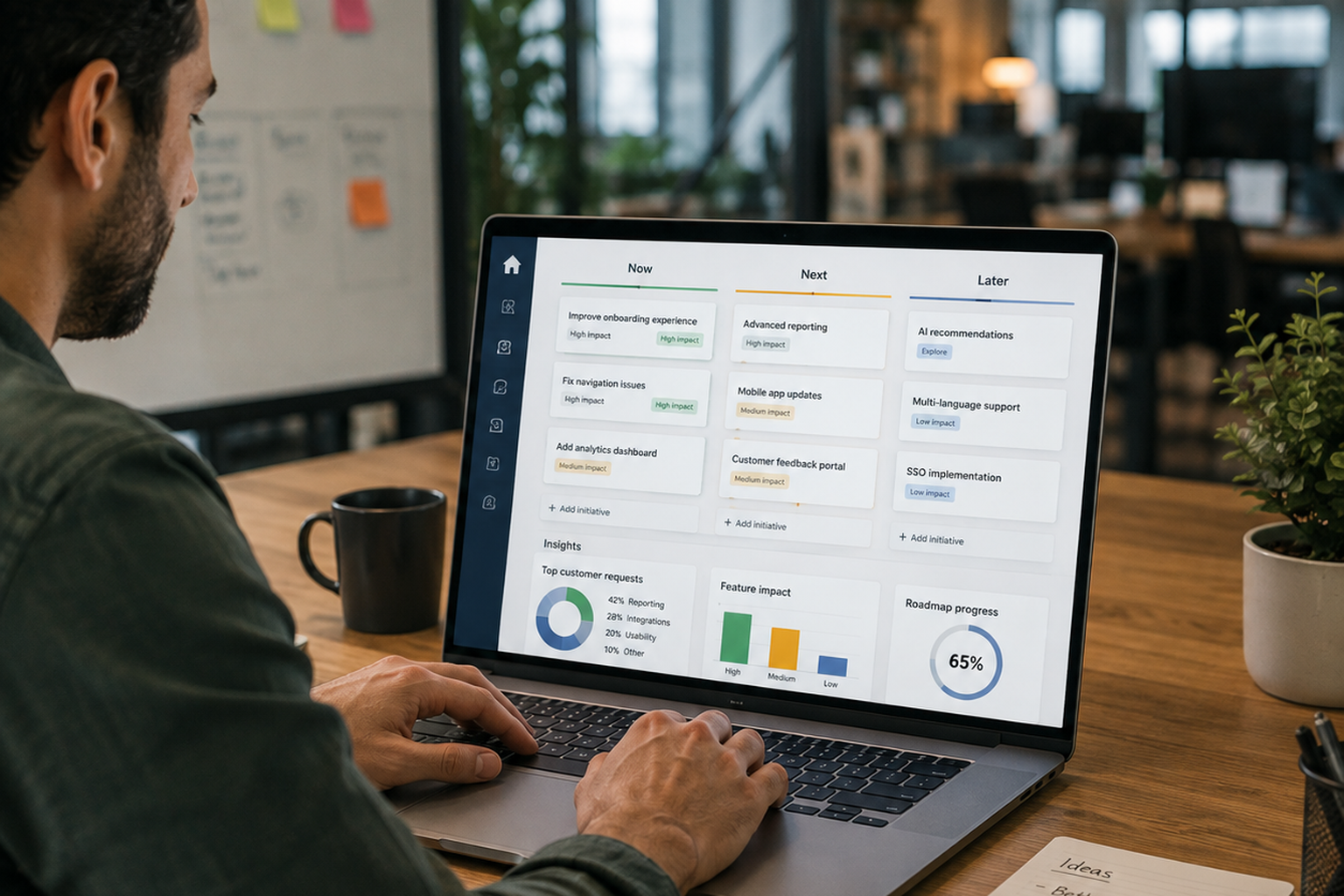
Continuous discovery and traditional discovery take different approaches to understanding customer needs and building successful products. Learn how these product discovery methods compare, their key advantages, and which approach helps teams make better decisions, reduce risk, and deliver greater value to users.
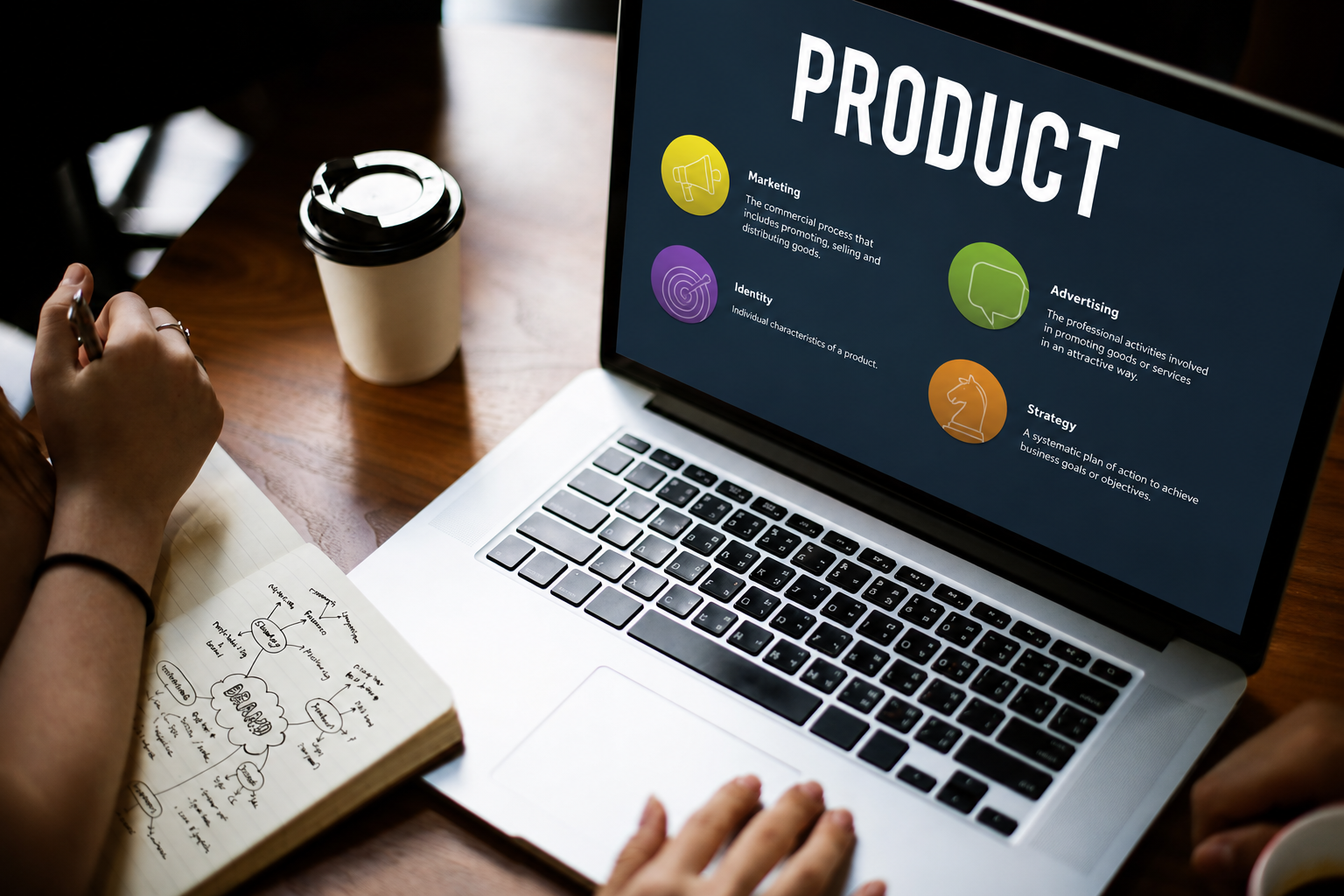
A product discovery framework delivers better results when it helps teams continuously learn from customers, validate ideas early, and adapt to changing market needs. While traditional discovery focuses on upfront research before development begins, continuous discovery keeps customer feedback at the center of every stage of product development. This approach reduces risk, improves decision-making, and increases the chances of building products that customers truly value.
At VelocitiPM, we help product teams implement modern discovery practices that turn customer insights into actionable product decisions. Our platform supports structured discovery, prioritization, and collaboration, enabling businesses to validate ideas faster, align stakeholders, and confidently build products that meet both customer and business goals.
A product discovery framework is a structured process that helps teams identify customer problems, test ideas, and validate solutions before investing time and money in development. Rather than building products based on assumptions, teams gather real customer insights to make smarter decisions.
A good framework helps businesses:
Traditional discovery follows a step-by-step process. Research happens first, followed by planning, development, testing, and finally product release. Once development begins, customer feedback is often limited until after launch.
This method works well for projects with fixed requirements and stable markets. Many organizations have successfully delivered products using this approach for years. However, today's fast-changing markets often require quicker learning and faster adjustments.
Common characteristics include:
Unlike traditional methods, continuous product discovery is an ongoing process. Product teams regularly talk to customers, collect feedback, test assumptions, and improve products throughout the development lifecycle. Many teams also use a product discovery platform to organize customer insights, manage feedback, and streamline the discovery process more efficiently.
Instead of waiting until launch, teams learn continuously. This allows businesses to adapt quickly when customer needs change.
Key benefits include:
Although both methods aim to create successful products, they differ in how customer feedback is collected and used.
Traditional discovery gathers feedback mainly before development begins. Continuous discovery collects customer insights throughout the entire product journey.
As a result, continuous discovery allows teams to respond faster to changing customer needs.
Traditional approaches rely heavily on initial research. If market conditions change, making adjustments becomes more difficult.
Continuous discovery encourages teams to make informed decisions using fresh customer data and ongoing validation.
Continuous discovery enables faster learning because assumptions are tested regularly. Teams identify problems early and improve solutions before investing significant development resources.
Traditional discovery often delays learning until after the product reaches customers.
Markets evolve quickly. Customer expectations change faster than ever. Businesses that continuously learn are often better prepared to meet those changing demands.
Many organizations now combine agile development with continuous discovery because it helps reduce uncertainty while improving customer satisfaction.
Businesses often experience benefits such as:
A well-defined product discovery methodology provides clear steps for validating product ideas. Rather than relying on opinions, teams use customer evidence to guide development priorities.
Effective discovery usually includes:
These activities help teams build products customers actually want instead of products they simply assume customers need.
One of the biggest goals of discovery is achieving product market fit discovery. This means creating a product that solves real customer problems while meeting market demand.
Teams improve product-market fit by:
The sooner teams validate these assumptions, the lower the chance of building unwanted features.
Continuous discovery offers many advantages, but traditional discovery still has value in certain situations.
Organizations may choose traditional discovery when:
In these cases, extensive upfront planning may reduce project complexity.
Many successful companies use a hybrid model rather than choosing only one method. Initial research provides direction, while continuous customer learning keeps products aligned with changing market needs.
This balanced strategy allows teams to maintain structure while remaining flexible throughout development.
A combined approach often includes:
Technology has made discovery much easier. Teams can now organize research, validate ideas, and manage customer feedback from one place.
Many organizations rely on a product discovery platform to centralize customer insights and streamline collaboration across product teams. Some businesses also connect discovery activities with product roadmap software so validated customer insights directly influence future product planning.
Creating an effective product discovery framework requires consistency rather than one-time research. The best teams build customer conversations into their everyday workflow.
Helpful practices include:
These habits reduce uncertainty while helping teams deliver greater customer value.
Even experienced product teams sometimes struggle with discovery because they skip important validation steps.
Avoid these common mistakes:
Small improvements in discovery can prevent expensive product failures later.
Choosing the right product discovery framework depends on your business goals, customer expectations, and product complexity. Traditional discovery still works for predictable projects, while continuous discovery offers greater flexibility in fast-moving markets. Many modern organizations combine both approaches to balance planning with ongoing customer learning. By validating ideas early and listening to customers throughout development, teams can reduce risk, improve decision-making, and build products that deliver lasting value.
Ready to improve your product discovery process? Contact VelocitiPM today and discover how our experts can help you build better products through smarter, customer-driven decision making.
A product discovery framework is a structured process that helps product teams identify customer needs, validate ideas, and test solutions before development begins. It reduces risk and increases the chances of building successful products.
Traditional discovery focuses on research at the beginning of a project, while continuous discovery gathers customer feedback throughout the product lifecycle. Continuous discovery allows teams to adapt quickly to changing customer needs.
Continuous product discovery helps teams make better product decisions by collecting ongoing customer insights. It improves product quality, reduces wasted development effort, and increases customer satisfaction.
A product discovery methodology provides a clear process for validating customer problems, testing ideas, and prioritizing features based on evidence rather than assumptions, leading to better product outcomes.
VelocitiPM helps teams streamline product discovery by organizing customer insights, improving collaboration, prioritizing opportunities, and enabling data-driven decisions that support successful product development.
.png)
.png)