
AI-native product operating system for building compliant, high-impact financial products.
Fintech product management fails more often than it succeeds because teams are forced to build high-trust financial systems under extreme speed pressure, limited validation time, and evolving regulatory constraints. Most startups move from idea to execution too quickly, relying on assumptions instead of structured discovery. In fintech, that shortcut becomes expensive because every product decision directly impacts money movement, user trust, and compliance exposure.
The real challenge is not speed, it is uncertainty. Fintech teams are expected to ship fast while maintaining accuracy, regulatory alignment, and financial integrity. But without a structured system for validating problems, prioritizing features, and managing compliance early, product development turns into reactive execution. This is why even well-funded fintech startups face delays, rework, and failed launches.
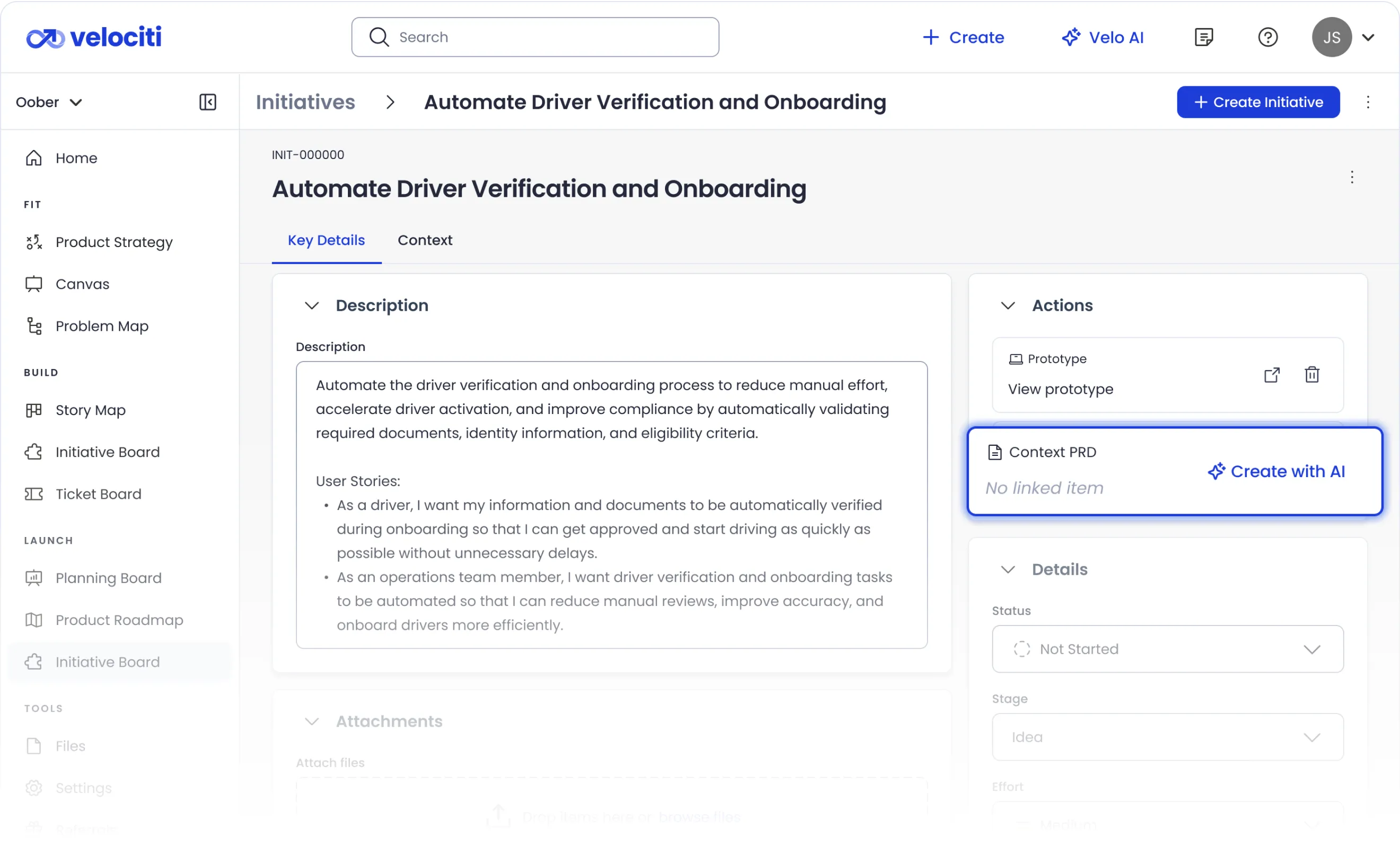
Build validated MVPs faster by ensuring only real, high-impact financial problems move into development after structured discovery.
Improve early-stage decision-making by validating user behavior, financial needs, and regulatory constraints before execution begins.
Manage the full lifecycle from idea to launch using structured stages that reduce risk and eliminate unvalidated assumptions.
Prioritize features based on impact, compliance risk, and feasibility instead of opinion-driven decision-making.
Ensure safe and compliant launches by validating readiness across engineering, UX, compliance, and financial risk factors.
Continuously improve financial products using real user behavior signals, drop-off analysis, and performance insights after release.
It involves building financial products while balancing user needs, compliance requirements, and risk, all within fast-moving startup environments where speed and accuracy both matter.
Failures often happen when teams skip proper validation, rely on disconnected tools, and address compliance too late, leading to delays, rework, and products that don’t fully solve real user problems.
Stricter regulations, higher financial risk, and greater trust requirements make it different, requiring teams to validate decisions early and ensure accuracy before releasing anything to real users.
The lifecycle covers the journey from identifying a problem to launching and improving a product, including validation, design, development, compliance checks, and continuous updates based on user feedback.
It focuses on understanding real user problems, behaviors, and constraints before building, helping teams avoid wasting time on features that don’t meet financial or regulatory needs.
Early validation reduces the risk of building the wrong features, saves engineering effort, and helps ensure products deliver real value while staying aligned with financial regulations and user expectations.
Common issues include scattered tools, unclear priorities, and weak alignment between product, engineering, and compliance teams, which slows progress and increases the risk of delays and poor outcomes.
A strong launch approach ensures compliance, system stability, and smooth user experience before release, helping teams avoid risks and deliver reliable financial products to real users with confidence.
It brings structure to validation, execution, and launch, helping teams stay aligned, reduce uncertainty, and move faster while managing compliance and risk more effectively across the product lifecycle.
Designed for fintech startup teams,founders, product managers, and engineers, who need a structured way to build and launch financial products while managing compliance, risk, and speed without unnecessary complexity.