
Structured Delivery Model for SaaS Product Teams.
SaaS product development has become increasingly complex as companies scale across multiple markets, user segments, and rapidly evolving feature expectations. Despite significant investment in engineering and product talent, many SaaS organizations still struggle to convert ideas into predictable outcomes. The core issue is not capability, but lack of structured execution systems that connect strategy, delivery, and market feedback.
In most SaaS environments, product teams operate in fragmented cycles where discovery, prioritization, and delivery happen in isolation. This disconnect leads to misaligned roadmaps, inefficient development cycles, and products that fail to reflect real user needs. Without a unified system guiding decisions across the lifecycle, teams often optimize for output instead of outcomes, resulting in weak product-market alignment.
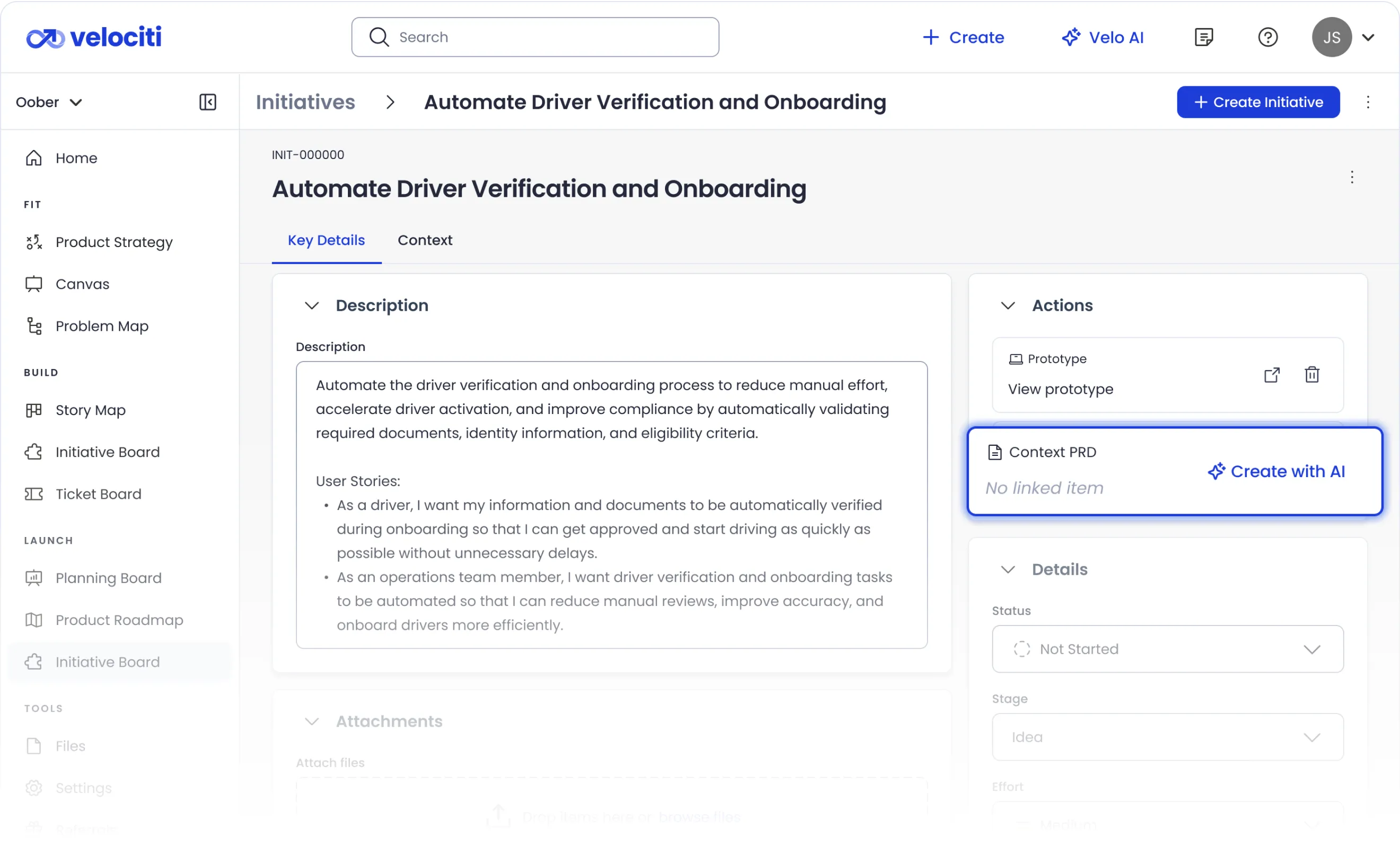
The process begins when new ideas enter the system and are assessed against real user problems, market signals, and behavioral evidence. A SaaS product management platform filters these inputs so that only meaningful opportunities move forward, reducing noise and preventing weak assumptions from entering execution.
Once ideas are validated, they are converted into structured feature options that can be compared based on user impact and business value. The platform provides a consistent scoring approach so teams can prioritize work based on measurable outcomes instead of subjective discussion.
After prioritization, initiatives are arranged into a logical delivery sequence that reflects dependencies, timing, and strategic importance. A SaaS product management platform ensures this sequence stays flexible, allowing teams to adjust plans as new insights or constraints emerge.
At this stage, product direction is translated into clear technical expectations so engineering teams can execute without confusion. The platform connects requirements, context, and acceptance conditions to reduce misinterpretation and improve delivery accuracy.
Before deployment, each feature is reviewed for completeness, stability, and alignment with expected outcomes. A SaaS product management platform ensures that launches are controlled, with defined success criteria and coordinated stakeholder approval.
After release, real user behavior is tracked to understand adoption, performance, and improvement areas. The platform feeds these insights back into planning, allowing teams to refine priorities and continuously improve product direction based on actual usage patterns.
A structured system that connects strategy, planning, and delivery so product teams can move ideas from validation to execution in a more organized, predictable, and outcome-focused manner across the lifecycle.
Product teams gain higher success rates when decisions are grounded in validated user needs, priorities remain clearly defined, and execution follows coordinated cross-functional alignment across product, engineering, and business stakeholders.
Many products struggle because teams rely on assumptions, skip validation steps, and operate in disconnected workflows that weaken alignment between planning, execution, and real user expectations across development cycles.
Advanced systems support teams by interpreting product signals, reducing subjective bias, and enabling faster prioritization based on measurable insights, usage patterns, and structured evaluation of opportunities across the product lifecycle.
A defined lifecycle creates a clear progression from discovery to launch and continuous improvement, ensuring each phase contributes to structured execution, measurable outcomes, and ongoing refinement based on feedback loops.
Product teams evaluate initiatives using structured criteria such as user impact, implementation effort, and strategic value, enabling clearer decision-making and ensuring focus remains on high-impact opportunities that drive outcomes.
Planning becomes more reliable when teams organize initiatives visually, manage dependencies effectively, and align delivery timelines with strategic objectives, improving clarity, coordination, and long-term execution predictability across teams.
Development teams receive clearer direction through well-defined requirements, contextual understanding, and prioritized work structures that reduce ambiguity, improve collaboration, and streamline execution across product and engineering functions.
Execution tends to slow down when discovery, planning, and delivery operate separately, causing misalignment, repeated rework, unclear ownership of priorities, and reduced visibility across teams involved in product development.
After release, user behavior, adoption trends, and performance signals are analyzed to identify improvement opportunities, which then guide future prioritization, planning decisions, and iterative product enhancements over time.